When Samsung announced the S24 series, they touted the new suite of Galaxy AI features tapping into the growing AI trend. Some of the features included Live Translation and Interpreter, and they were also rolled out to the S23 series and few more eligible devices.
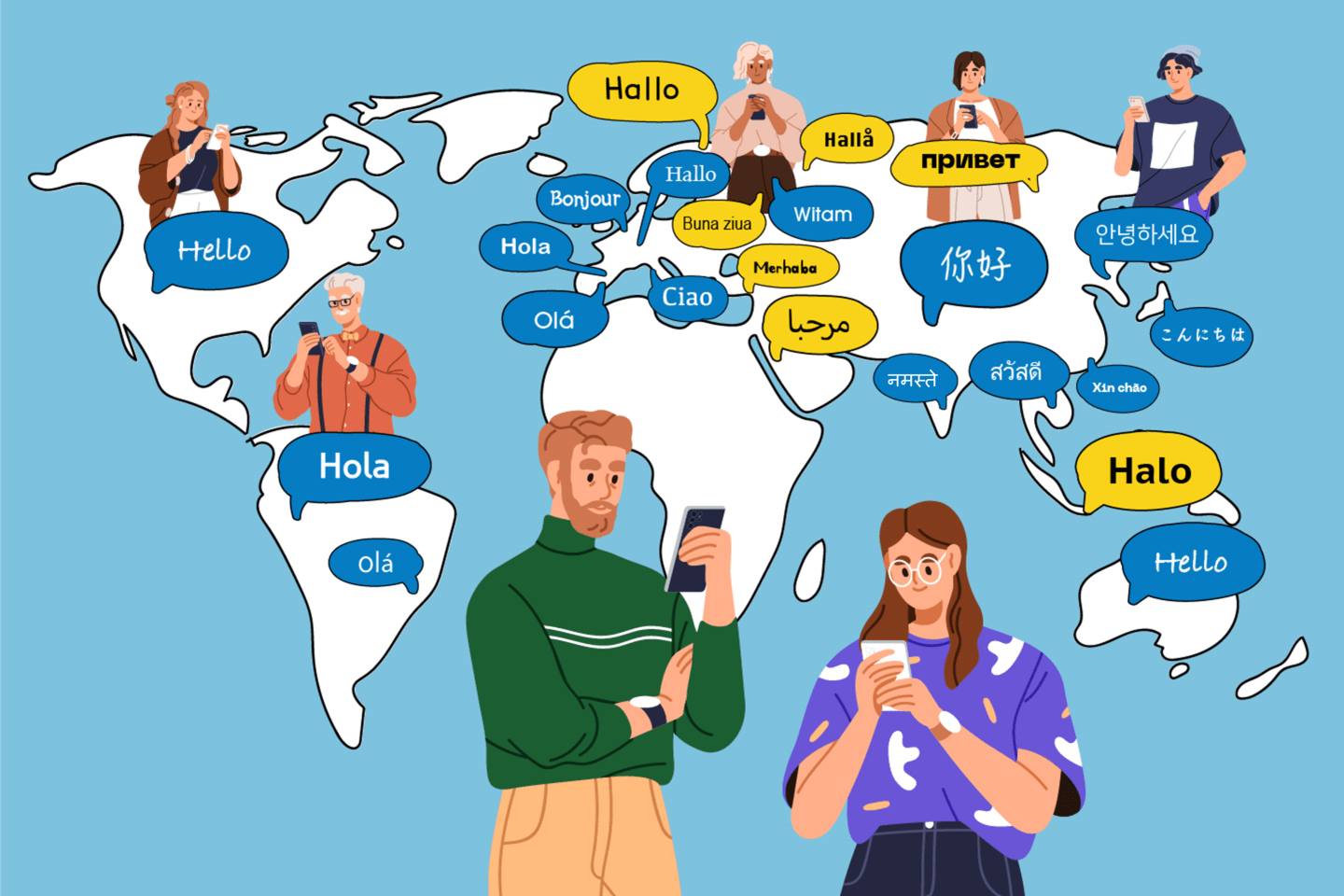
At the launch time, there were only 13 supported languages that easily catered to select markets. Then just before the end of Ramadan, Samsung announces that they’re adding support for additional languages including Arabic along with more dialects to existing ones.
Which Arabic dialect?
Arabic is one of those languages that has many dialects. Although the option for the Arabic language pack showed up, it didn’t even specify which dialect (like the ones for French and English). Unless the dialect is specified, then it’s usually the standard/original form of the language itself.

That would make it the Modern Standard Arabic, which is usually known among the native speakers as ‘Fusha’. This is the classic/formal style that is also used for literature, law, writing, etc. Regardless, this is going to be a lifesaver for Galaxy users; that means you don’t have to carry a pocket-sized language phrase book.
There is no software update required (unless you’re using a non-S24 device and haven’t yet updated to OneUI 6.1), as it’s all done on the server side; just Open the Settigns app and then navigate to General Management > Language PAcks > select Arabic to download it.
More Galaxy devices for Galaxy AI
If two generations of Samsung Galaxy devices – S24 and S23 – getting Galaxy AI isn’t enough, Samsung also announced that it’ll be expanding its availability to more devices released in 2022 starting in May.

Given the different silicon chipset powering those devices when released in the MENA region (they were all powered by the Exynos chipset), the suite of features supported would be equivalent to the ones available on the Galaxy S23 FE (excluding Instant Slow-Mo).
The bright side is that more devices will get to use these features, including: Galaxy S22 series, Galaxy Z Fold4, Galaxy Z Flip4 and the Galaxy Tab S8 series.
Image Credit: Samsung Newsroom

Drop your thoughts